Water at the Right Temperature
Water at the right temperature is a form of judgment. Too hot and the morning begins as escape; too cold and it begins as punishment. The useful middle is calibration — skin waking, breath steadying, the day arriving through the body before it arrives through a screen. Nothing about that hour needs to borrow the vocabulary of a spa. Steam on glass is enough speech.
Reward language flattens the practice. It turns a daily act into a prize you must earn, which means most mornings are framed as deprivation until the water runs. Calibration refuses that story. You wash because the body needs a threshold between sleep and schedule, not because you have been good. The tap is not a trophy. It is an instrument.
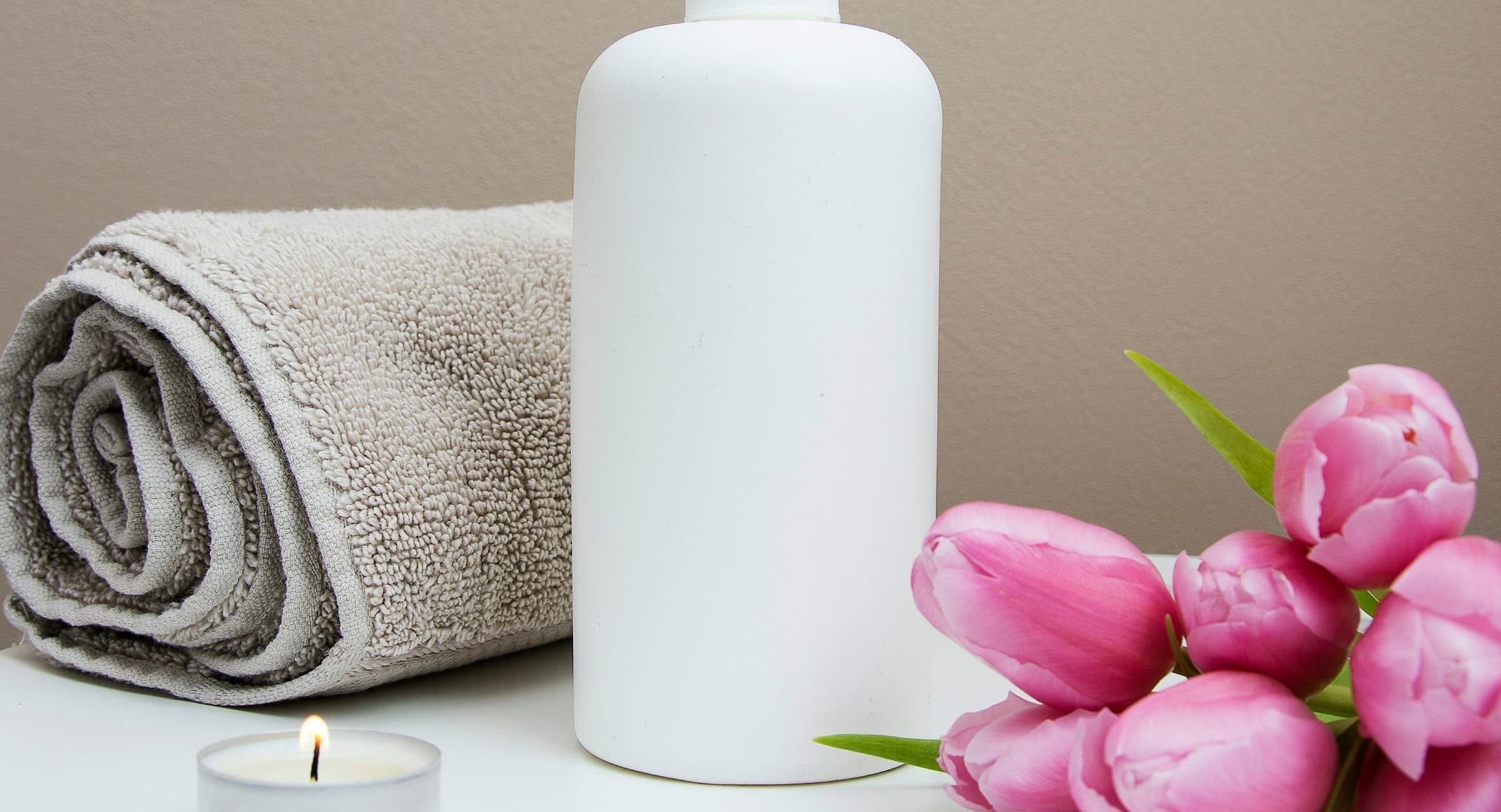
Houses that understand mornings finish the bath the way they finish a kitchen: tools within reach, surfaces that do not argue, heat that arrives without a wait that frays patience. A tub edge clear of clutter. A shower that does not spit. Towels that have dried fully overnight. These are not luxuries of catalogue; they are the conditions under which temperature can be felt accurately.
The hand learns before the mind does. You test the stream, adjust a fraction, wait until the first contact no longer startles. That small patience is related to the unscheduled hour — a margin kept so the day does not seize you by the throat. Even five unhurried minutes at the right heat change the grain of everything that follows: the first coffee, the first conversation, the first claim on the calendar.
Alpine mornings make the lesson vivid. After cold air and timber rooms like those in chalet hours above the tree line, water becomes the soft counterweight — warmth that does not erase the mountain so much as translate it into something the skin can carry indoors. City apartments can offer the same translation when the bath is protected from rush: door closed, phone elsewhere, light kept kind.
Showers and baths ask for different tempos. A shower is a line — enter, adjust, finish. A bath is a room — fill, settle, leave before the water cools into lethargy. Neither is morally superior. What matters is matching the vessel to the morning you actually have. A bath forced into a truncated schedule becomes stress in water form; a shower lingered into daydream when the house needs you elsewhere becomes avoidance. Calibration includes honesty about time.
Season rewrites the set point. Summer water can run cooler without bracing the nervous system; winter water may need a slower climb so the shock does not become the whole memory of the wash. Travel rewrites it again: unfamiliar taps, hard water, pressure that changes mid-stream. You adapt by attention, not by insisting that every bathroom reproduce the one at home. Continuity lives in the ritual of adjusting, not in a fixed number on a thermostat.
Children and guests reveal whether the household treats water as shared infrastructure. A temperature that scalds is a failure of care. A bathroom left without a clear towel is a failure of finish. Teaching someone where the warm is — and how the house prefers mornings to begin — is hospitality at a scale smaller than dinner and just as telling.
Steam without speech means the room is not performing recovery for an imaginary audience. You are not documenting the glow. You are rinsing sleep from the eyes, heat into the hands, quiet into the shoulders. When the water stops, the body should feel ready rather than theatrical. If you leave the bath needing a story about how restored you are, the temperature was probably wrong, or the hour was asked to do work that belongs to sleep and food.
Maintenance keeps the instrument true. Limescale on a head turns a clean stream into a scatter. A slow drain turns a bath into a negotiation. Mould in a corner rewrites scent and mood before you notice why the morning feels off. Care here is practical and unsentimental: clean what touches water, dry what should be dry, replace what no longer delivers heat evenly.
What you remember of a good wash is rarely the fixture. It is the moment the shoulders dropped, the glass fogged, the day waited outside the door for one more minute. Water at the right temperature is that minute made physical. Kept as calibration rather than reward, it becomes one of the few daily acts that still belongs entirely to you — brief, exact, and finished without applause.
Key Highlights
Calibration Not Reward
The tap is an instrument for waking the day, not a prize earned after strain.
Steam Without Speech
Fog on glass is enough; the room does not need to narrate recovery.
Morning Water
A true temperature is the threshold between sleep and the first claim on the clock.