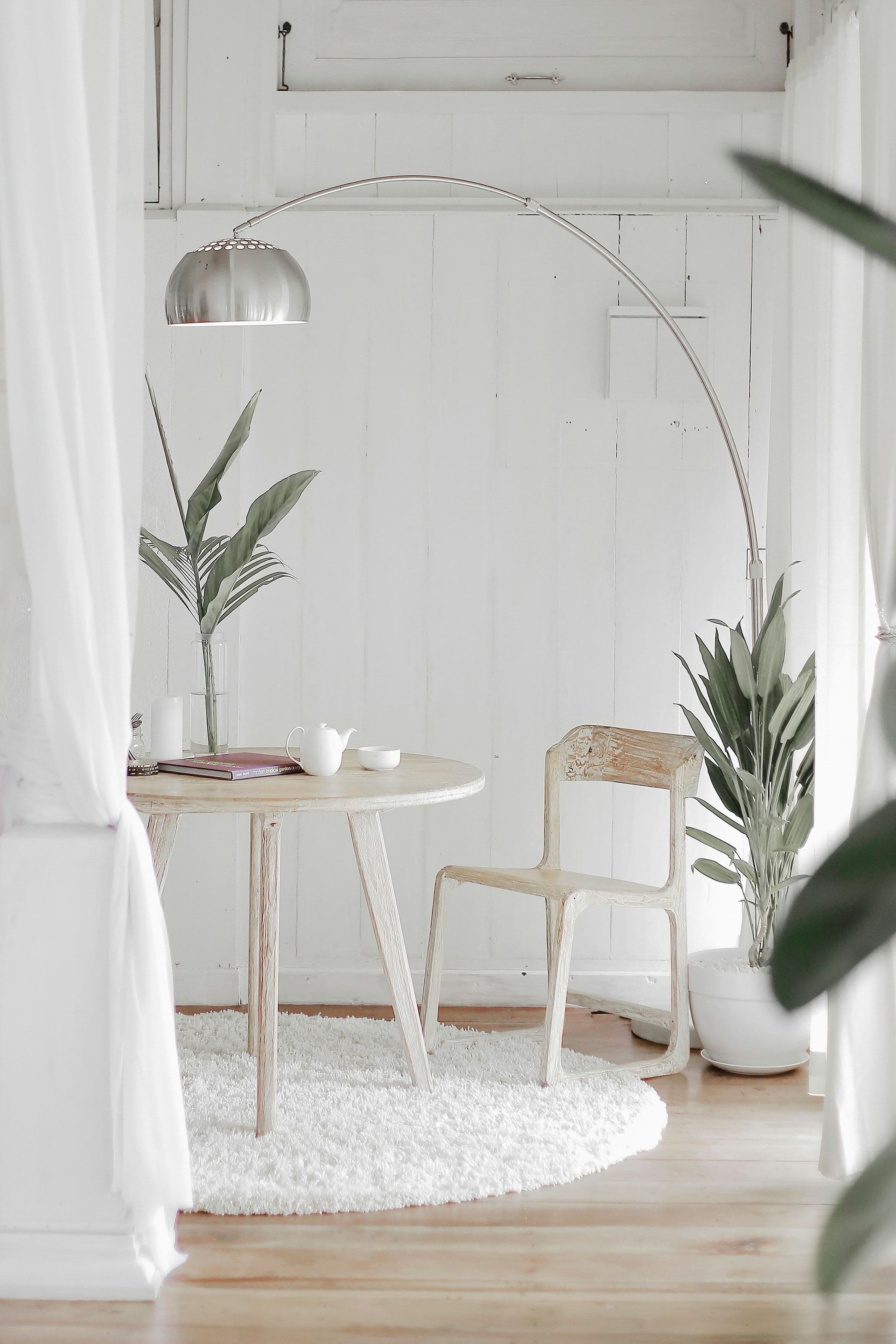
Sleep as Schedule Design
Sleep that arrives on purpose is not a gift of temperament. It is a schedule written into the room: where light is allowed, how far the temperature falls, which claims on attention are refused before the head meets the pillow. Morning then becomes a continuation rather than an ambush. The night is designed the way a good corridor is designed — so movement through it feels inevitable.
Most failures of rest are failures of thresholds. A bedroom that still behaves like an office after dark will keep the mind on standby. Screens that glow at the edge of vision rewrite melatonin without asking permission. Conversations unfinished in the doorway follow you under the covers. Architecture can interrupt those patterns: a door that actually closes, a charger kept outside, a last lamp that pools light on a book and nowhere else.
Temperature is a quieter form of authority. A room kept slightly cool teaches the body that the day has ended; a room that stays warm with afternoon air confuses the signal. Fabrics matter here as much as thermostats — weight of coverlet, breath of sheet, the difference between a surface that traps heat and one that lets it leave. You learn your range by attention, not by copying a rule meant for another climate.
Light belongs to the same discipline found in light before the schedule: edited at both ends of the day. Evening light should decline, not switch off as punishment. Morning light should enter as invitation, not as a blast through uncovered glass. Sheer layers, shutters, a curtain that meets the sill — each is a sentence in the night's grammar. Without them, the street writes the schedule for you.
Houses that treat sleep as design refuse the fiction that rest can be improvised after everything else is finished. The hour before bed is protected the way a kitchen protects mise en place. Clothes for tomorrow left ready. Water within reach. The last correspondence answered or deferred without guilt. Preparation is not anxiety; it is the removal of reasons to wake.
Alpine rooms understand this instinctively. In timber above the snow line, the house is a climate before it is a view — walls that hold cold outside, a bedroom that does not borrow the drama of the slope. Silence there is structural. The same principle travels to city apartments when they are finished with equal seriousness: acoustic softness, darkness that can be made complete, air that moves without whistling.
Partners and households negotiate the night as shared architecture. One person's reading lamp can undo another's descent. Agreement about clocks, about when conversation ends, about whether a door stays ajar — these are design decisions as much as manners. A well-kept house admits that sleep is collective infrastructure. Neglect of that fact shows as irritability long before it shows as insomnia.
Travel disrupts the design until you rebuild it in miniature. Hotel rooms rarely finish the work for you; you finish it with what you can control: blackout improvised, temperature claimed, phone placed face-down in a drawer. The ritual is portable because the principle is portable. Wherever you sleep, the night needs edges.
Morning without ambush begins the evening before. Curtains left so first light can enter gently. An alarm that does not startle the nervous system into defence. A few minutes reserved before the calendar speaks — not as luxury branding, but as continuity with the night you designed. When those minutes disappear, the day starts already behind; when they are kept, even a crowded morning feels inhabited.
What you are protecting is not the performance of eight hours. Bodies differ; seasons differ; age rewrites the pattern. What remains constant is the refusal to treat sleep as residual time — the scrap left after every other claim. Schedule design means the night has an address on the plan of the day, and that address is defended. Kept consistently, the defence changes more than rest: judgment softens, appetite steadies, the afternoon loses a fraction of its unnecessary urgency.
You remember good sleep less as a number and more as a texture — the sense that morning arrived without argument. That texture is built: light lowered, temperature held, attention refused. The bed is only the last piece of furniture in a longer composition. Finish the composition and the body will recognise the invitation without being instructed.
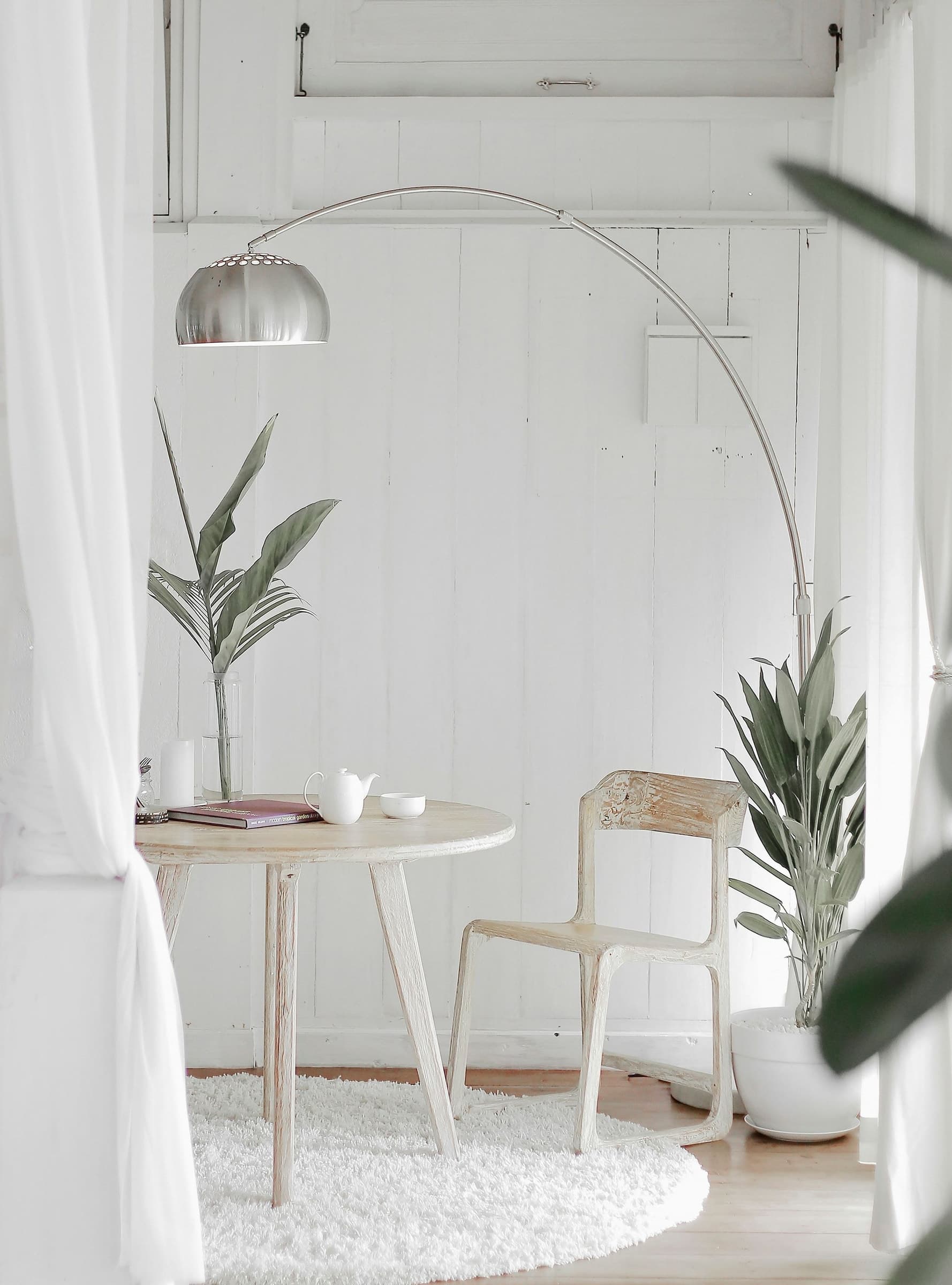
Key Highlights
Night as Architecture
Light, temperature, and closed thresholds do the work that willpower cannot.
Morning Without Ambush
The day begins as continuation when the evening before was finished on purpose.
Temperature Kept
A cool room and honest fabrics teach the body that the claims have ended.