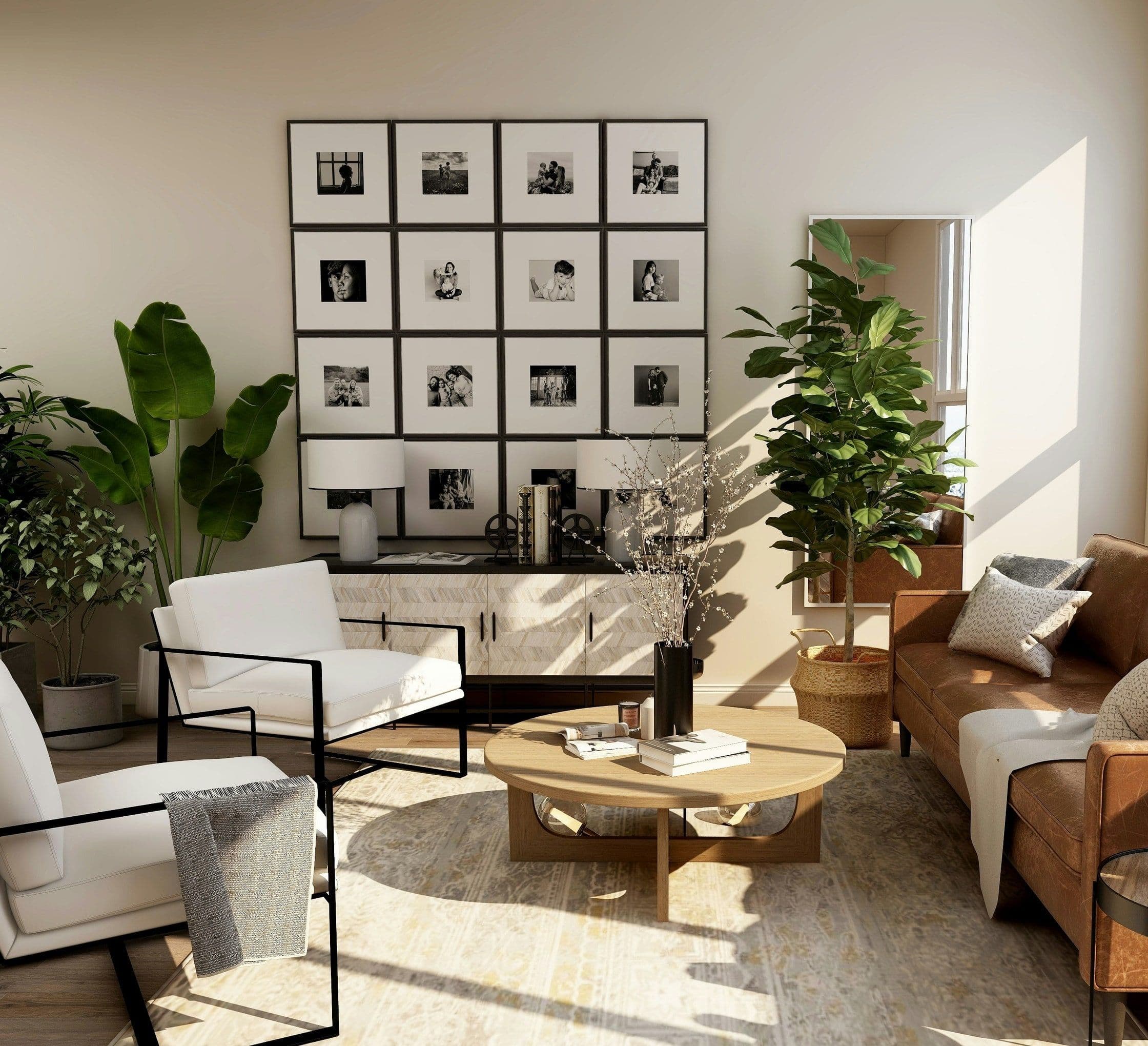
The Unscheduled Hour
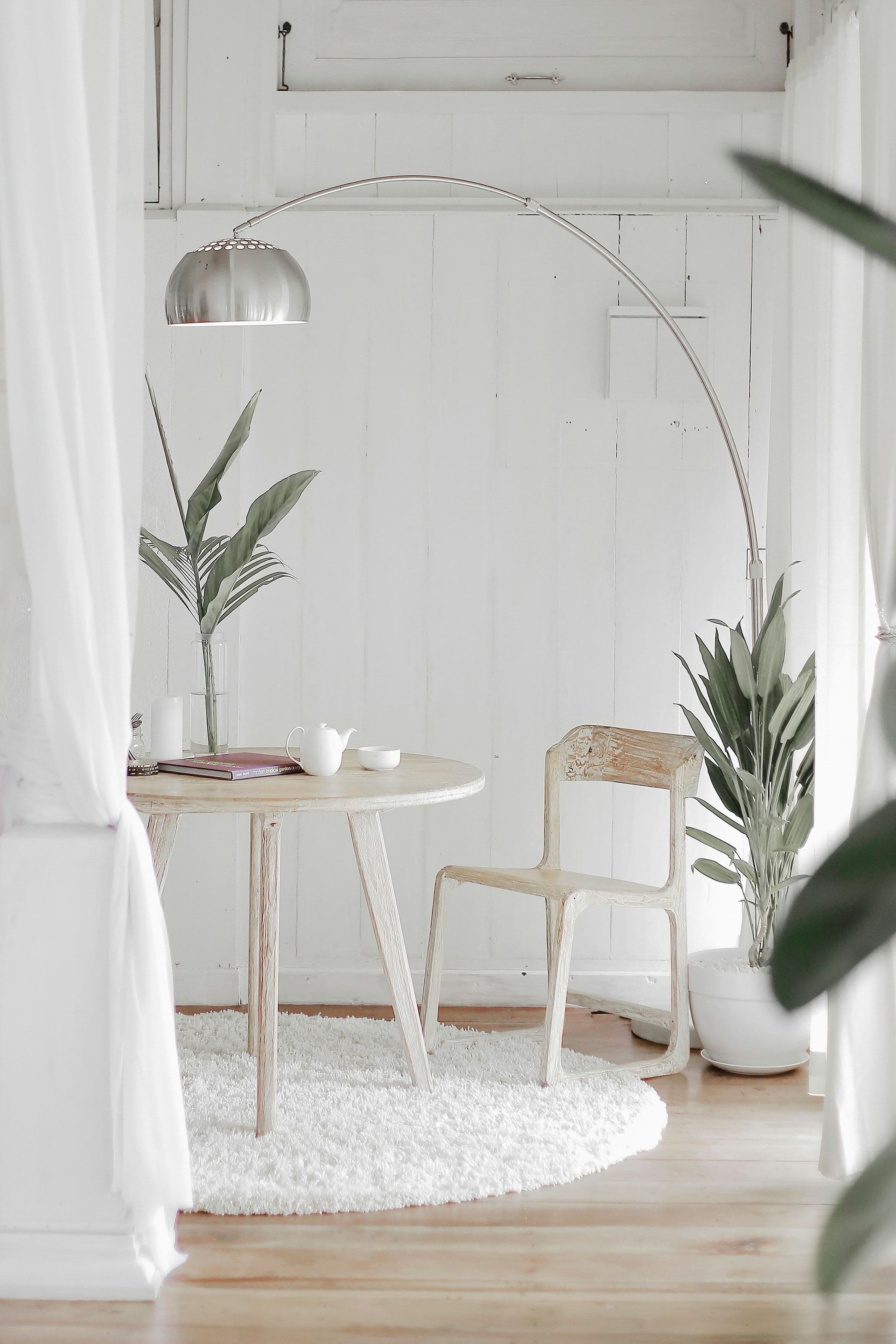
Some rooms only appear when nothing has been arranged. A chair left at an angle, tea still warm, a book open at the page that was actually being read — not the one you meant to impress anyone with. The scene looks accidental; in well-run houses it is often defended with quiet rigour.
The older meaning of a life well kept was never a display. It was the grain of an hour with no claim on it: light on the floor, a curtain moving, the decision to remain when every device would prefer you elsewhere. Display fills gaps; grain fills time.
What makes a house feel inhabited is the protection of that hour. Not a ritual with a name. Simply the portion of the day that was not offered up to correspondence, to meetings, to the fiction that being reachable is the same as being present. Inhabited means someone has left a trace of preference on the clock.
Unscheduled time is often treated as waste until it is gone. Then it becomes memory: the afternoon you sat without outcome, the cup refilled once, the sky changing while you noticed. Wealth, in part, is the ability to defend that emptiness from being filled — to refuse the meeting that could move, the call that could wait.
The chair matters more than its label. It should invite a slouch without breaking posture entirely — support for the lower back, arms that do not pin you in. You are not performing leisure; you are allowing the body to believe the day has slack. Hard chairs teach departure; the right chair teaches staying without guilt.
Tea keeps the hour honest. It has a beginning, a middle, and an end in the pot. You cannot pretend to have been resting for ten minutes when the leaves have fully opened and the water has cooled. The drink is a quiet clock with no numbers, and refilling it is a conscious decision to extend the margin.
Books belong here when they are companions, not assignments. A novel paused mid-chapter, a collection of essays opened at random — reading without the pressure to finish, to extract, to report. The mind wanders; that is the point. Note-taking belongs to another hour; this one is for drift.
Households that share walls still keep this hour individually. It is not antisocial; it is the replenishment that makes later conversation genuine. You re-enter the common rooms with less urgency, less edge, more capacity to listen. Families that never permit unscheduled time often confuse activity with closeness.
Technology has made the hour harder to keep and easier to justify losing. A single accepted notification rewrites the mood. Houses that care leave phones charging out of sight, not as punishment but as architecture: the unscheduled hour needs walls that do not buzz.
What you protect is not idleness but sovereignty. An unscheduled hour is a small declaration that your day has a margin — and that the margin is not for sale. Kept consistently, it changes the texture of everything that follows: meals taste less rushed, sleep arrives less offended, Monday loses a fraction of its dread.
Calendar culture treats open blocks as invitations to fill them. The unscheduled hour survives only when someone treats emptiness as material — like a wide counter left clear for work that has not yet declared its shape. Protecting it is a weekly discipline, not a luxury reserved for holidays or the few days when the office is closed. Without that defence, the hour shrinks until it exists only in retrospect, filed under days you were too tired to recall or too busy to name.
Key Highlights
Nothing Was Arranged
The hour exists only if it was left off the calendar and off the day.
Grain, Not Display
Light, a warm pot, and a chair at an angle are the whole of it.
One Hour Kept Back
A day that retains a little of itself still feels lived, not merely managed.