The Hour After Travel
The hour after travel is not empty time. It is the interval in which the body catches the room — pulse still tuned to corridors and engines, eyes still bright with departure light. If you fill that hour with unpacking, messages, and the fiction that arrival means immediate usefulness, the journey follows you into the night. If you protect it, the house or hotel can finish what the road began.
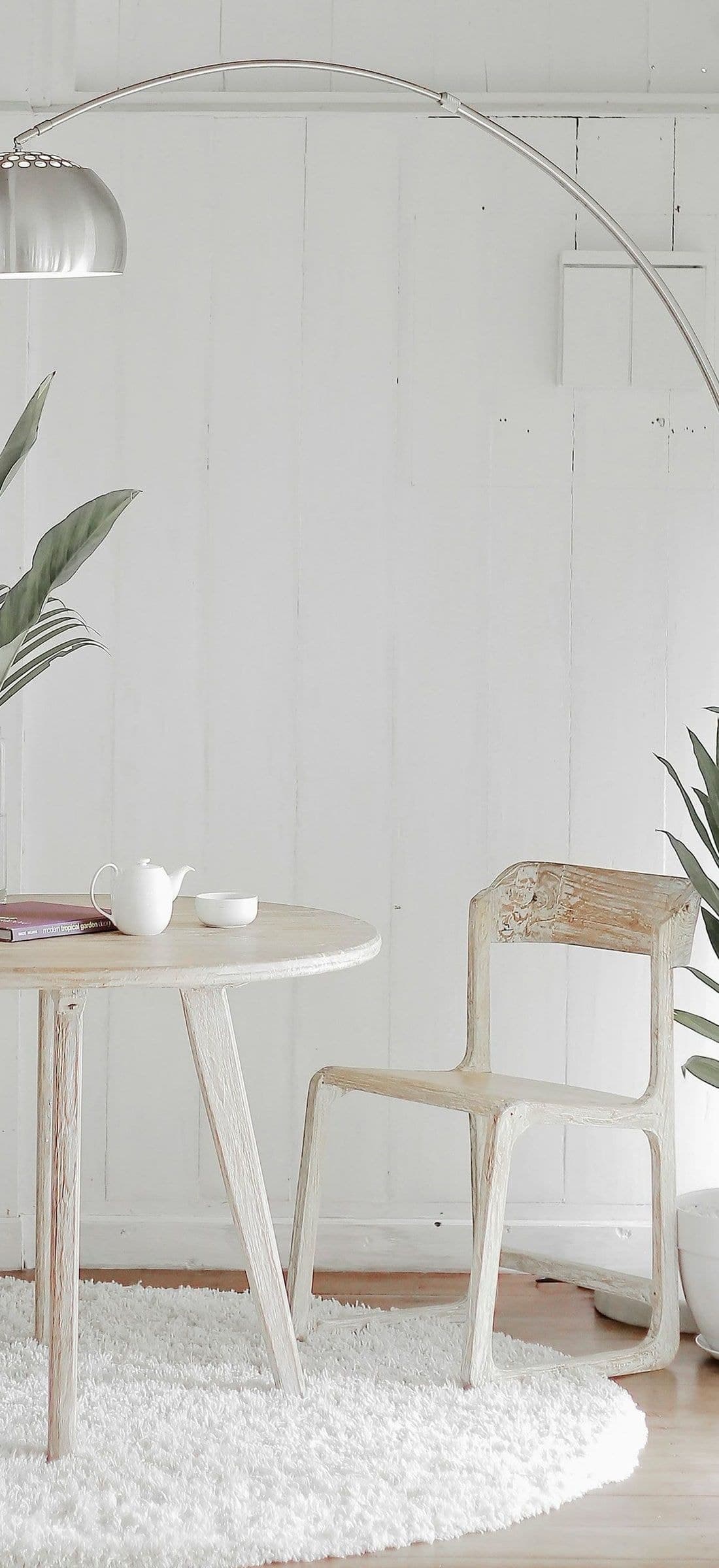
Deferral is the first finish. The bag can wait. Shoes can wait. Even the ritual of hanging what will crease can wait twenty minutes without catastrophe. What cannot wait is sitting: a chair by a window, water in a glass, light lowered from travel brightness to domestic scale. The nervous system reads those cues faster than any itinerary summary.
Light does more than lamps suggest. Airport glare and cabin LEDs leave a residue; matching that intensity at arrival keeps the day from ending. Sheer curtains, a single warm pool, the refusal of every overhead — these are not mood tricks. They are schedule design in miniature, kin to the longer work of sleep as schedule design. Evening arrival especially needs this edit, or sleep will inherit the journey's edges.
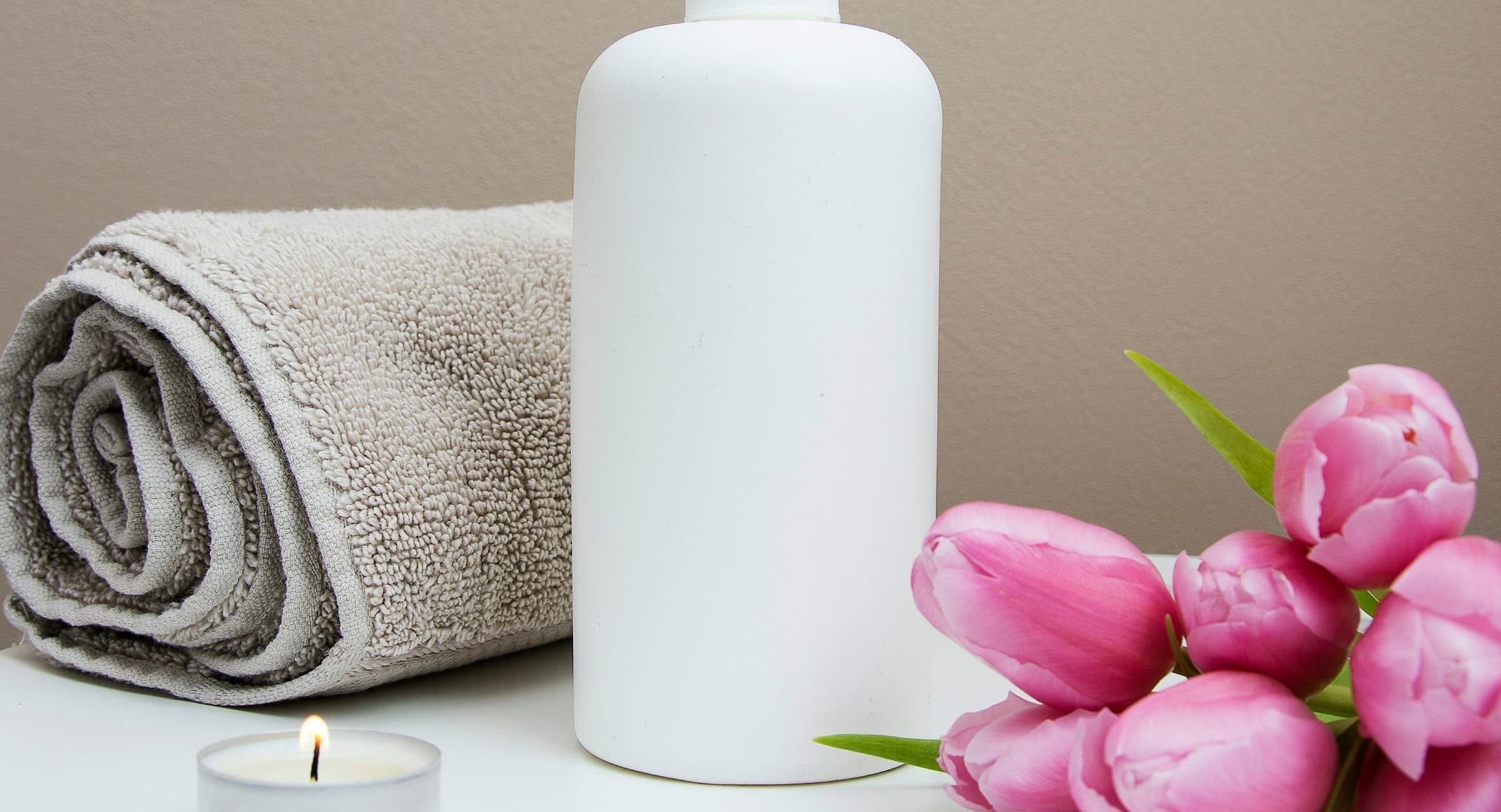
Temperature and water come next. Hands washed. Face rinsed at a heat that does not startle. Perhaps a shower if the skin still holds the cabin, or simply clean clothes if fatigue is heavier than dust. The point is threshold, not performance. You are not preparing for an audience; you are signalling to yourself that the moving part of the day has stopped.
Harbours understand arrival better than most terminals. In places like a harbour that keeps its own hours, the quay keeps a slower clock — lines slack, water repeating itself, the town answering tide before calendar. That pace is worth importing indoors. Let the room keep harbour time for an hour. Correspondence can learn to wait the way a boat learns to wait for wind.
Food in this hour should be modest and decisive. Something salted, something warm, nothing that demands a reservation's energy. Overeating on arrival is often thirst and residual altitude mistaken for appetite; undereating is the other error, leaving the body without ballast. A small plate and water correct more than they seem to. Alcohol can wait until the room has been claimed — it blurs the catching rather than helping it.
Households that receive travellers well protect the hour collectively. Questions can be kind without being exhaustive. Children can be hugged without a full debrief. The person who stayed home resists turning arrival into an immediate logistics meeting. Love, in this register, looks like a cleared chair and a door that can close for a short while without offence.
Hotels make the hour easier or harder depending on whether the room was finished for rest or for photography. A chair that actually holds the body, blackout that works, a shower that runs hot without a negotiation — these decide whether arrival recovers or merely relocates fatigue. When the room fails, you improvise with what you control: bag left closed, phone on airplane a little longer, window cracked if the air is honest.
Work travel tempts the worst pattern: land, open the laptop, prove that distance never interrupted usefulness. The proof costs sleep and the next day's judgment. A protected hour is not indulgence; it is continuity of mind. Decisions made before the body has caught the room are usually the ones you rewrite later. Better to arrive fully once than to half-arrive for the rest of the week.
Unpacking, when it comes, can be calm because the hour already did its work. Clothes find drawers. Documents find a stack. The journey's residue — boarding passes, coins from another currency, a sweater that still smells of elsewhere — can be sorted without urgency. The room begins to look inhabited. That is the second arrival, quieter than the first.
What you keep from a good hour after travel is a simple memory: the bag unopened, the chair taken, the light brought down to human scale. The body caught up. Night, when it came, did not have to argue with residual motion. That is recovery without brochure — an architecture of deferral, warmth, and silence long enough for the pulse to learn a new address.
Key Highlights
Unpacking Deferred
The bag can wait; the chair and the glass of water cannot.
Light Lowered
Travel brightness ends when the room returns to a domestic scale of lamps.
Body Catches the Room
Pulse and breath need an hour before the calendar is allowed to speak again.