One Road, No Audience
The road is chosen before the car is warmed. Not for its fame, not for a photograph that will later need a caption, but for what it lacks: other traffic, roadside galleries, the soft pressure of being watched. Emptiness here is not loneliness. It is the condition under which a chassis can speak without raising its voice, and a driver can listen without performing attention.
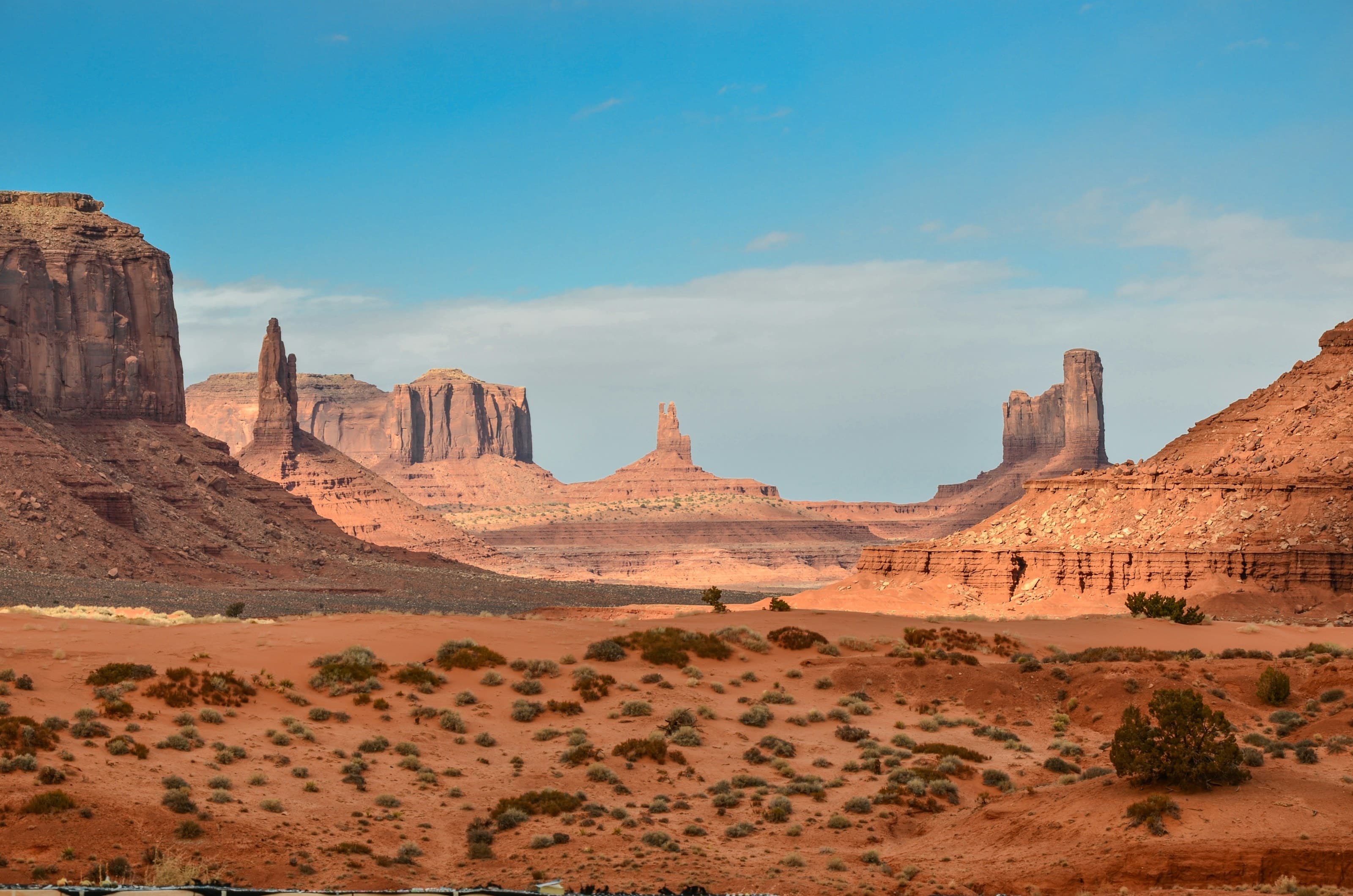
Surface arrives first. Grain, camber, the slight polish where water once stood. The tyre reads it before the eye finishes naming it. On a road like this, the conversation is continuous and low — a pressure through the rim, a settling of the body over a crest, a small refusal when the asphalt thins at the edge. Nothing asks for applause. The car that belongs here does not invent drama where the mountain has already provided geometry.
Quiet hands matter more when there is no audience to impress. Correction stays inside the seat and the wrists; the line is held the way a sentence is held, by knowing what comes next rather than by forcing the present. That quality sits close to what we have written about as a line held at speed: not flourish, but answer. The empty stretch simply removes the temptation to turn the answer into a show.
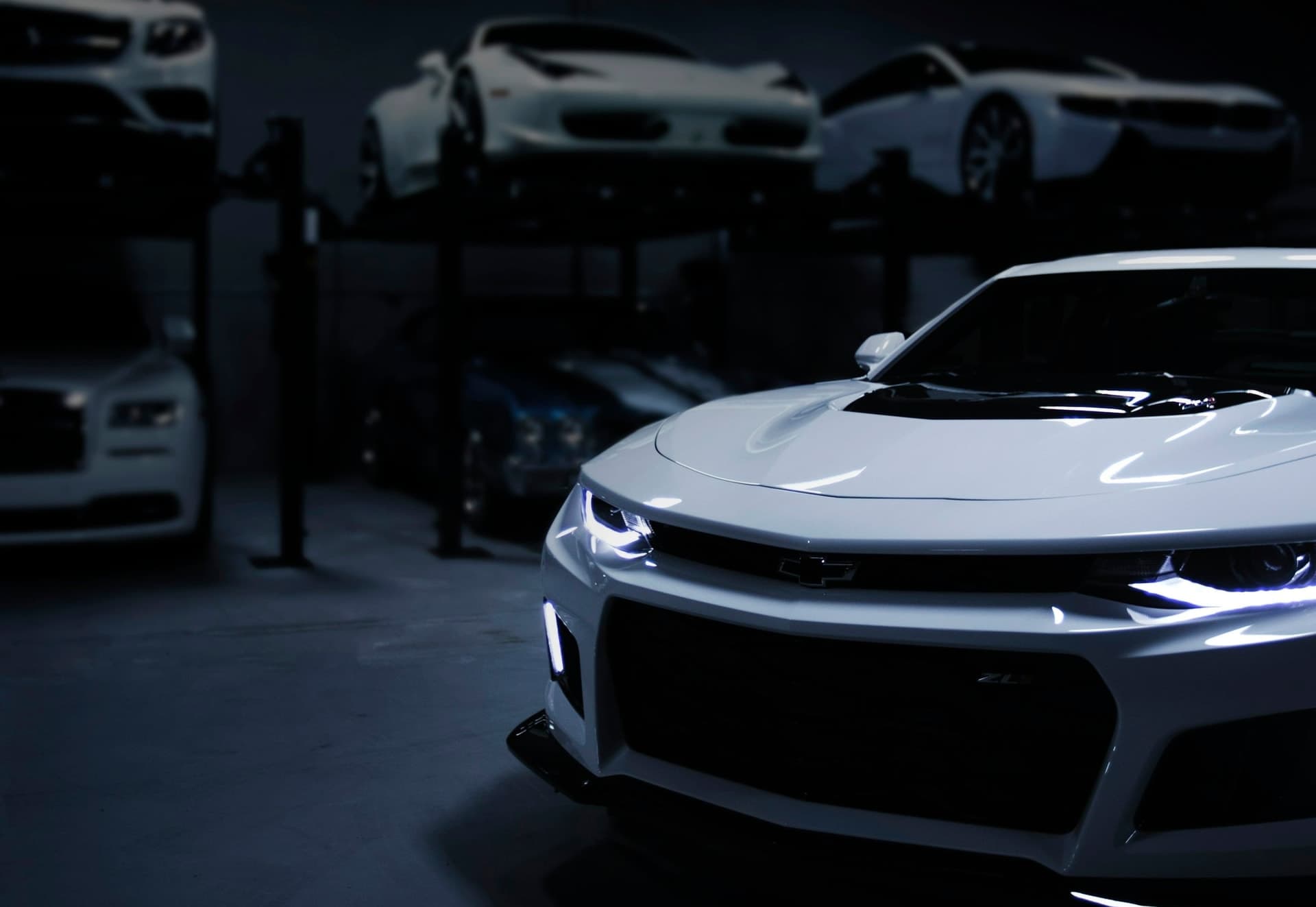
Cabin finish becomes part of the road’s honesty. A rattle that would hide under city noise declares itself at once. Leather that heats evenly, glass that does not boom, a wheel that does not fight the shoulder — these are not luxuries layered on. They are the instruments through which emptiness is usable rather than fatiguing. After an hour without another car, fatigue is the only critic left, and it is severe.
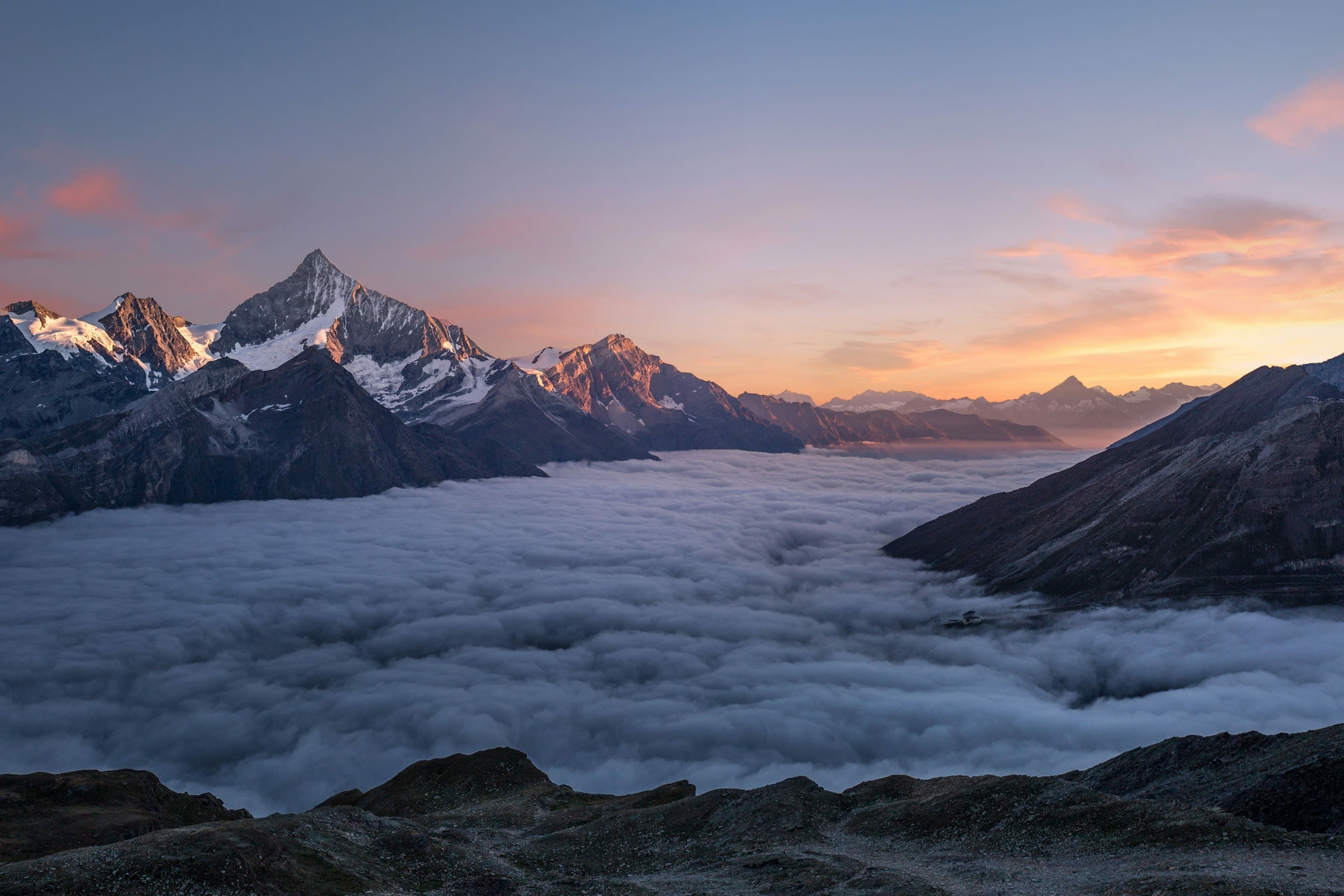
Morning light on rock changes the feel of grip without changing the rubber. Shade pools in the inside of a bend; the outside stays bright and slightly chalky. The driver who has chosen this road for its emptiness already knows that light is information, not atmosphere. The same patience that shapes an alpine morning — arriving before spectacle, reading terrain before schedule — belongs here too. The mountain does not wait for an appointment, and neither does the surface.
Speed on such a road is not a number chased. It is a tempo that matches sightlines and the honesty of the dampers. Too quick and the conversation becomes argument; too slow and the car floats through details it was built to register. The right pace feels like continuity: glassware that would not slide if it were there, a passenger who never braces, a note from the drivetrain that rises and settles without asking to be remembered.
Choosing emptiness is also choosing maintenance. Dust, cold stone, sudden wet after a shadow — these roads punish neglect more cleanly than a motorway ever will. Pressures set the night before, fluids checked without ceremony, a bay left ready so departure can happen before the first tourist coach climbs. The ritual is private because the road will not forgive a public excuse.
There is ethics in the absence of witnesses. Without a gallery, there is no need to prove the car’s character or the driver’s nerve. Restraint reads as confidence rather than caution. The machine that slides only when invited, that brakes as a shared decision rather than a panic, is the machine that earns another morning on the same stretch. Spectacle thins desire; conversation renews it.
After enough mornings on the same stretch, memory edits itself. What remains is not a highlight reel of corners but a felt archive: where the camber helps, where the shade lies longest, where the surface thins and asks for patience. That archive is personal. It cannot be borrowed from a map or a film. It is why the road was chosen empty in the first place — so the archive could form without interruption.
When the road finally meets a village or a junction, the test is simple. Do the shoulders still feel quiet? Does the cabin still smell of cool leather and warm metal rather than of effort? If yes, the emptiness did its work. One road, no audience: not a boast about solitude, but a discipline of attention — car, surface, and hands keeping faith without anyone there to confirm it.
Key Highlights
Emptiness Chosen
The stretch is selected for what it lacks — witnesses — so the chassis can speak at its true volume.
Surface as Partner
Grain, camber, and shade set the conversation; the tyre answers before the eye finishes naming the road.
No Gallery
Without an audience, restraint stops performing and becomes the only honest measure of the drive.