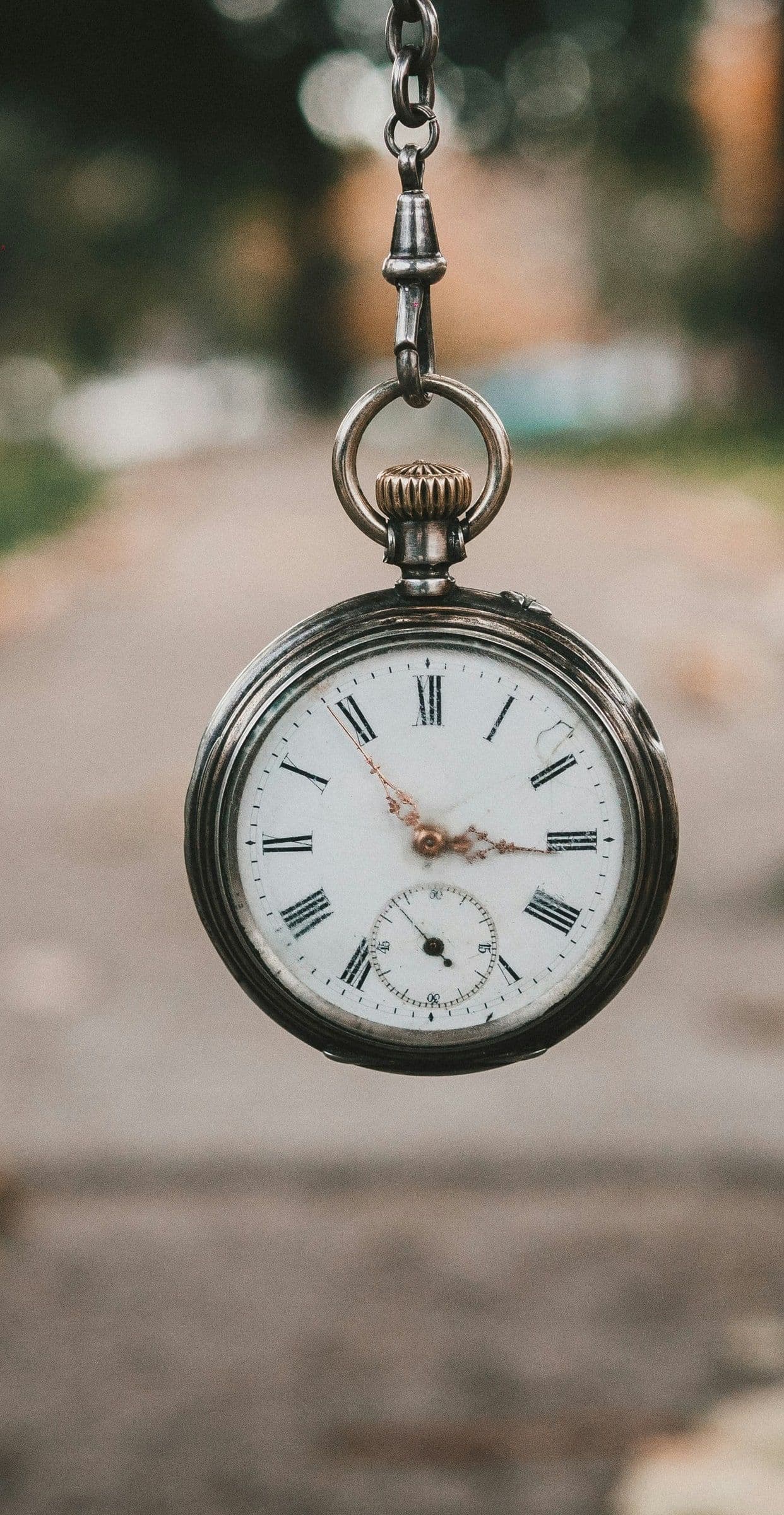
Anatomy of a Complication
A complication is not a flourish. It is a second argument the watch makes about time, hidden until the light moves across the dial. The first argument is legibility: where you are in the day, how much remains. The second is mechanism made visible or felt: a moon that advances without shouting, a calendar that knows the short months, a chronograph whose reset feels like a door closing properly.
The finish is the part most people never see twice. Angles, a bevel, the way a hand clears a chapter ring. It resolves only when the wrist turns. Under direct light, surfaces flatten and differences disappear. At grazing angles, the workshop reappears: a edge that catches once, a sinkage around a screw head that proves hand work, a polish that stops before it becomes mirror and vanity.
This is a reading of that surface: metal, depth, and the patience of a workshop that still treats a millimetre as a decision. Complications add layers where errors multiply. Each new sub-dial is another place for dust, for misalignment, for a hand that nearly touches its neighbour. The anatomy lesson is as much about what did not go wrong as about what was added.
Plates and bridges tell a story under magnification. Stripes that run parallel not for decoration but for oil control. Perlage that stops at a logical boundary rather than flooding the entire surface. Engraving that exists for the watchmaker who will service the piece in a decade, not for the owner who may never open the caseback. That inward-facing care is part of why complications feel serious rather than ornamental.
The dial side has its own anatomy. Applied indexes sit on feet that must be straight; lume fills must not climb walls unevenly. A date window is a cut through the face; its edges reveal whether the dial was stamped, printed, or fired in enamel. Complications that show phases or zones ask the dial to host more information without becoming a chart. Restraint in typography is engineering translated into type size.
Hands are levers of personality. Syringe, dauphine, sword: each changes how time is pointed at, not only how it is read. Length is calibrated to reach tracks without overlapping; counterweights are hidden or displayed depending on whether the watch wants to feel technical or calm. A complication adds hands or sub-hands; each new pointer is another relationship to light.
Case metal interacts with the complication inside. A thick case and a tall movement can make a watch sit high on the wrist, changing how light arrives at the dial. Owners who live in shirts notice this. The anatomy includes the gap between cuff and bezel, the way a crystal’s edge refracts at desk level, the sound of a pusher that confirms a column wheel rather than a cam.
Service is the hidden complication. More parts mean more intervals, more lubricants, more skills required in a workshop that still exists. A watch whose finish only resolves when the frame moves in will, over years, be opened. The second argument about time then includes maintenance: whether the mechanism returns with the same quiet confidence it had when new.
Collectors speak about coherence: a moon phase that matches the dial’s temperature, a chronograph scale that belongs to the era the watch claims. Incoherence reads as assembly, not authorship. Anatomy, in that sense, is also genealogy: which factory traditions survived in the bevel, which were replaced by machines that are faster and less patient.
On the wrist, the complication should not demand attention hourly. It should wait until the wrist turns, until the meeting ends and light from a window crosses the dial. Then the second argument appears, briefly, and subsides. That rhythm is why complications remain compelling in an age of screens. They reward slow looking, punish haste with clutter, and keep their finish for angles no photograph repeats twice.
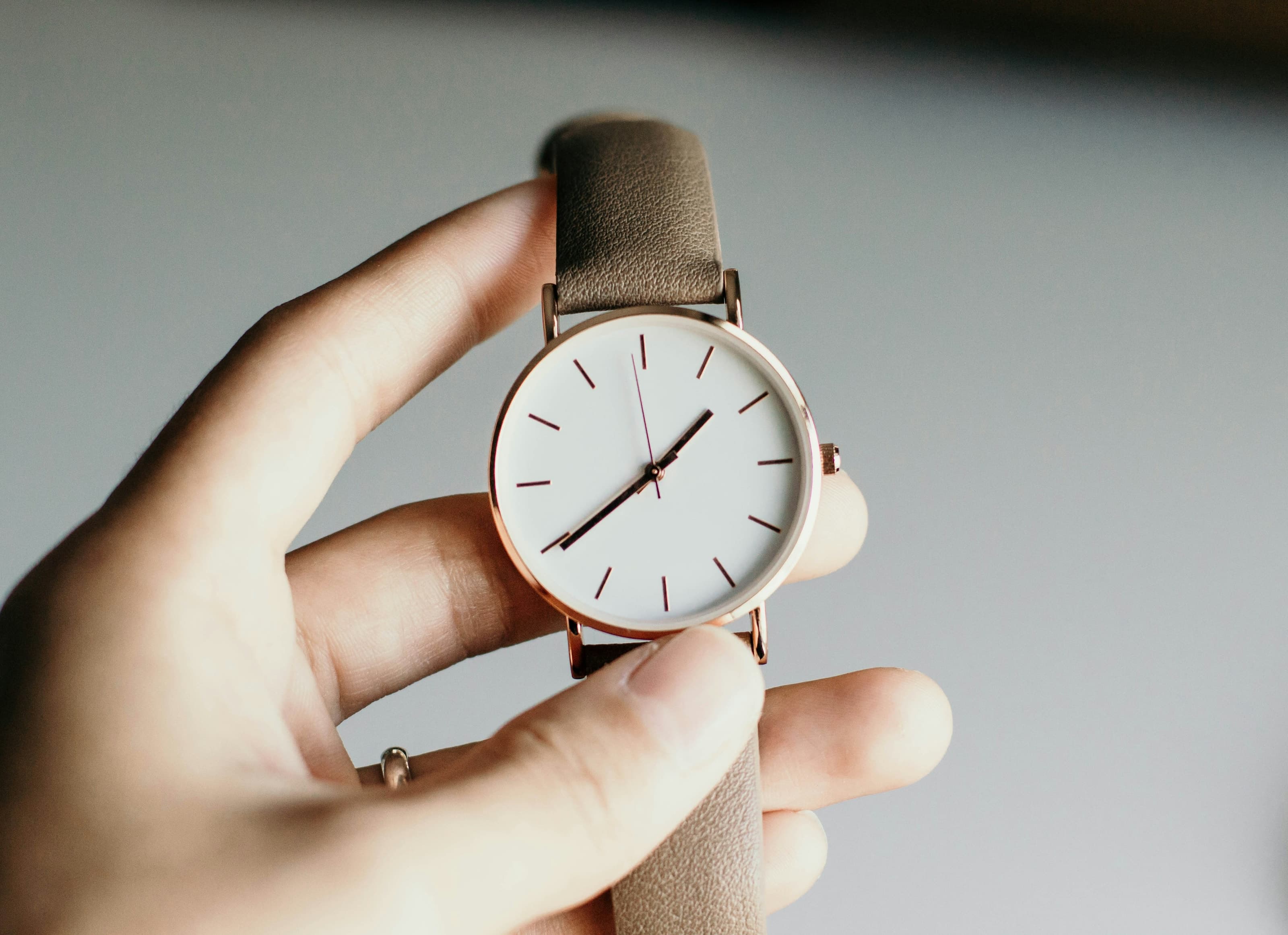
Key Highlights
The Second Argument
A complication earns its place when the dial can host it without breaking the first argument about legibility.
Finish Under the Light
Bevels and depth appear when the wrist turns and light grazes the surface, not under direct glare.
A Millimetre Decided
The workshop still treats that distance as a choice, where errors multiply with every added layer.