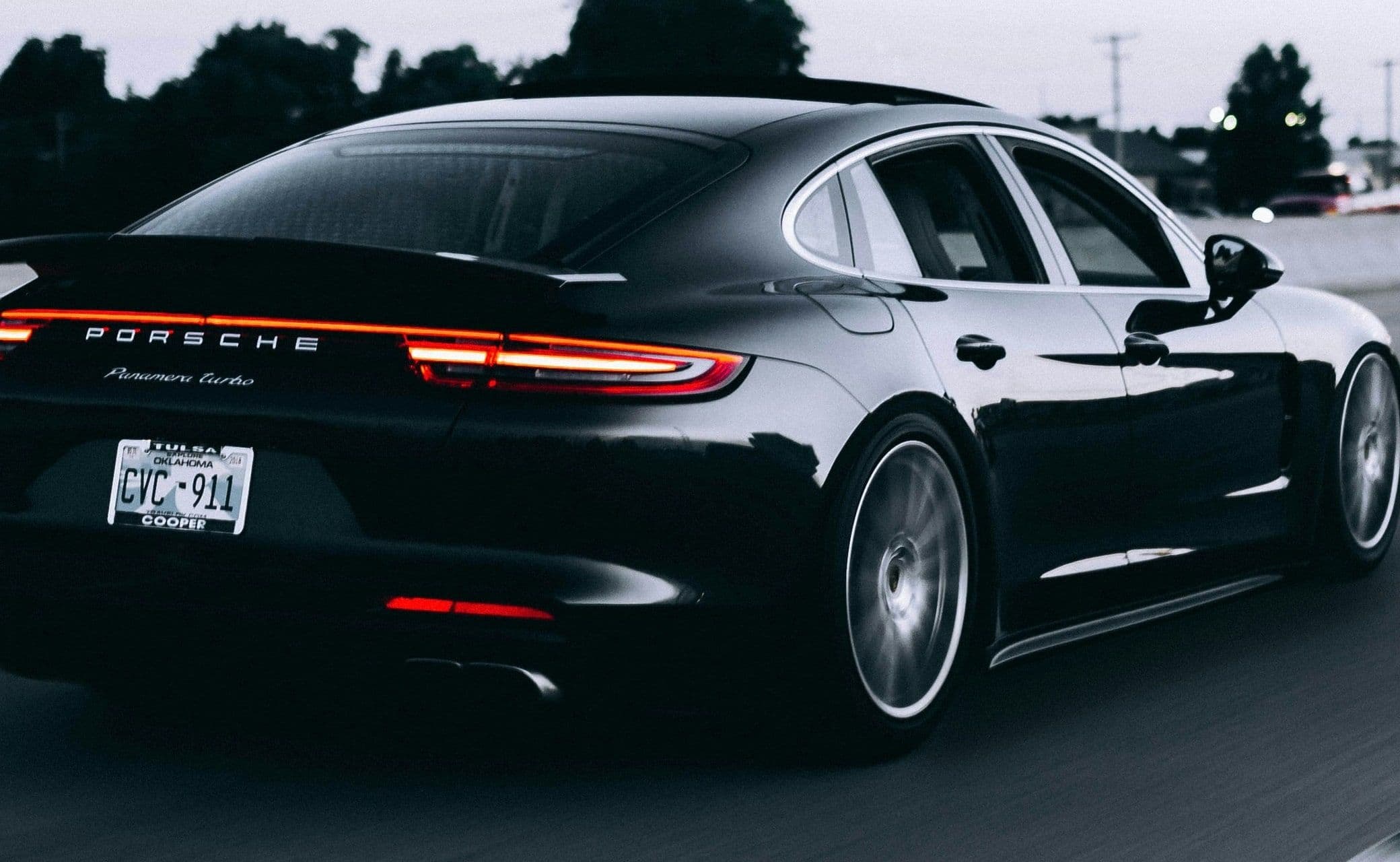
Engineering Desire
Some cars are drawn to be looked at. The ones that matter are drawn to be felt, first through the hands, then through the change in the road. Desire, in this context, is not loud. It is the pull to close a door that sounds like a vault, to settle into a seat that holds the shoulders without claiming them, to know before the engine turns that someone argued for millimetres.
Engineering here is not a list of parts. It is the weight of a door, the rise of a note, the way the body settles when the surface changes. Numbers exist, but they are not the language owners use at dinner. They speak about continuity: how a car crosses a seam without telling the spine, how steering weight builds like a sentence rather than a switch, how braking feels like a decision shared between foot and machine.
The finish is the other half of the work. Paint, leather, a line that was argued over. Speed is the test. The cabin is the record of it. A panel gap that stays even after heat cycles is as much an achievement as a lap time. Stitching that does not glare under sun is engineering translated into thread. The eye rests where the hand already confirmed quality.
Chassis design is philosophy made visible. Some cars are stiff and honest about it; others allow a degree of compliance that makes long distances humane. Neither approach is virtuous in itself. Virtue is coherence: a suspension that communicates the same story as the seat, an engine map that matches the character of the steering. When those elements disagree, desire thins into spectacle.
Sound is curated, not accidental. Intake noise, exhaust note, the muted thud of a closing hatch: each is a choice about what the driver is allowed to hear. The best cars do not shout. They give you a narrow band of information at low speed and widen it as the road opens, as if trust must be earned before the full voice is released.
Materials age differently from fashion. Carbon that was fashionable a decade ago can feel brittle in a cabin meant to last. Leather that darkens at the edges tells a story heat-treated aluminium cannot. Engineering desire includes planning for how a car will look after years of sun, not only how it will photograph on delivery day.
The road remains the final critic. A car that is rigid on a track but nervous on a worn motorway has failed a test owners encounter more often than any circuit. Grand touring, in the old sense, still means crossing countries without arriving fatigued. That requires damping tuned for real surfaces, not only for smooth tarmac on a closed course.
Drivers who collect seriously often describe the same moment: the first mile when the car stops performing and starts conversing. Before that, they are evaluating. After it, they are committed. Engineering desire is the discipline of making that moment arrive early and last, mile after mile, without requiring the owner to forgive compromises or re-learn the car on every journey.
There is a ethics to power delivery as well. Sudden surges impress once; progressive build impresses for years. The same holds for grip. A car that slides only when invited feels more valuable than one that slides to prove a point. Restraint in software and hardware reads as confidence, not limitation, and it keeps desire from collapsing into novelty after the first month.
What remains when the drive ends is the cabin: temperature of metal, smell of leather cooling, the quiet tick of materials contracting. That aftermath is where desire either persists or evaporates. Machines built to be felt at speed are also built to be lived with in silence. The engineering succeeds when both states feel equally intentional, and when neither asks the owner to pretend compromises are character.
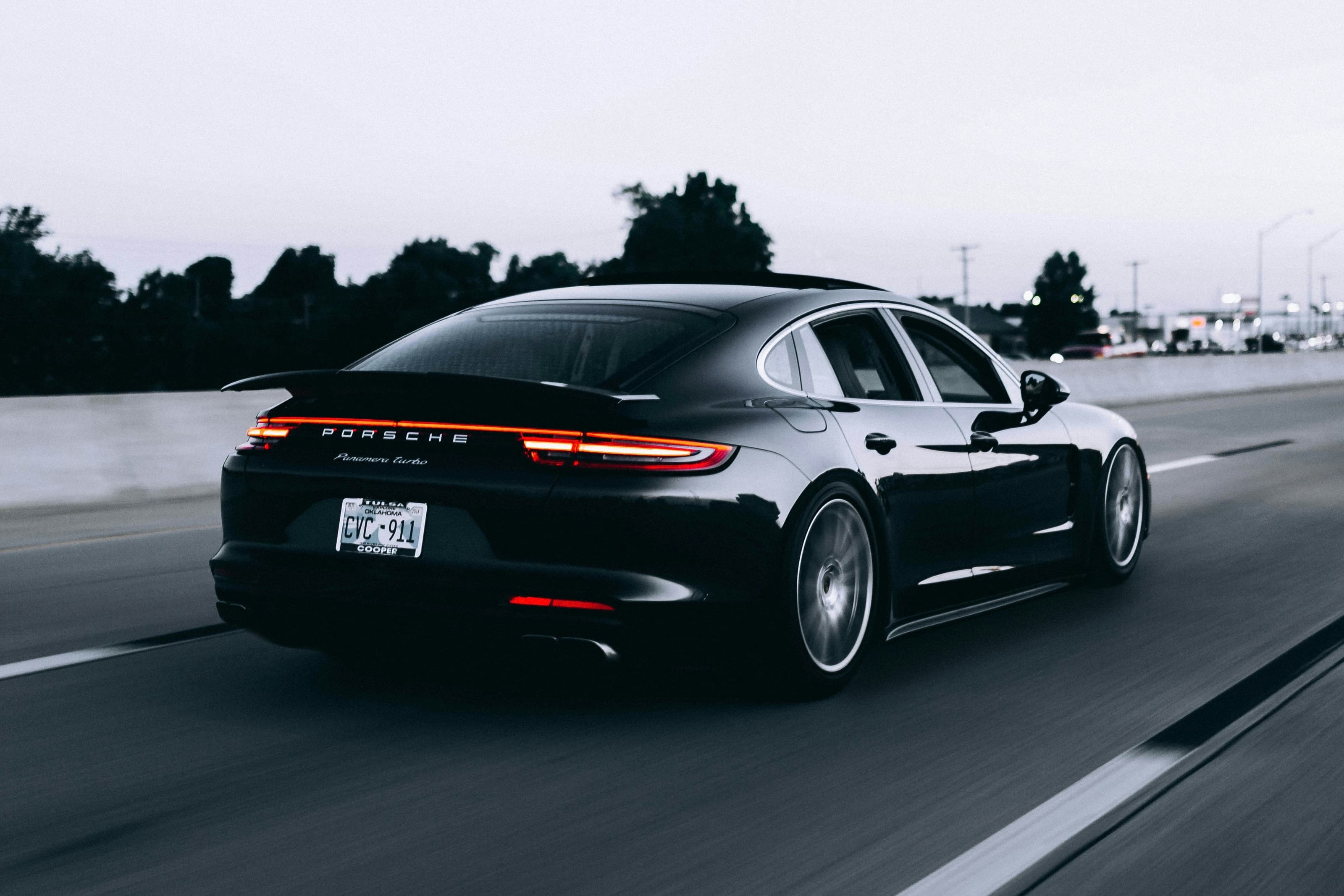
Key Highlights
Felt Before It Is Seen
The first judgement arrives through the hands and the ear, long before a photograph can flatter the shape.
The Road as Measure
A change in the surface tells you what the chassis believes, more honestly than any specification sheet.
Finish as Engineering
Paint, leather, and panel gaps are part of the same decision as power delivery and damping.