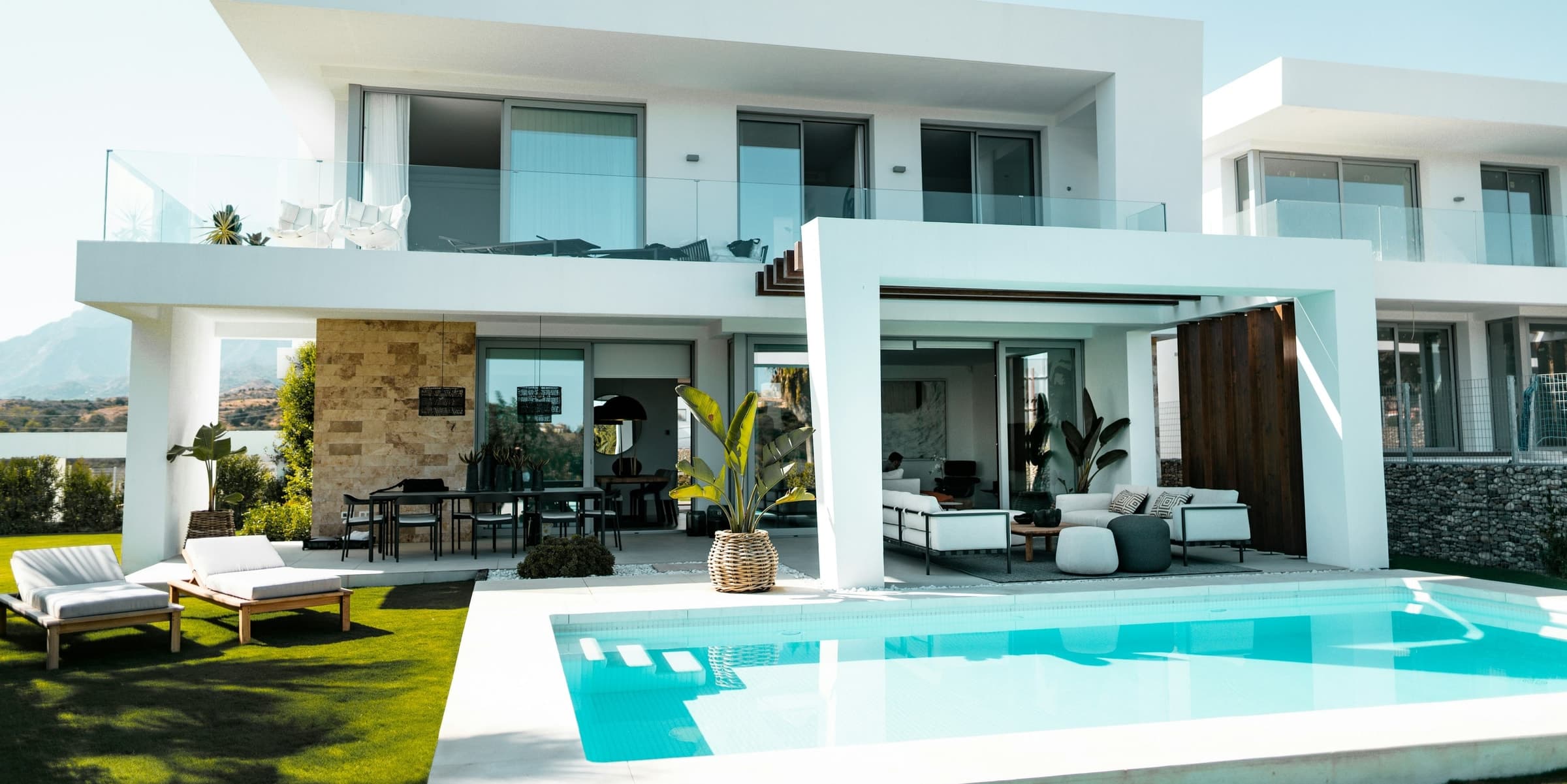
Private Hours in Mexico City
Morning at altitude arrives differently. The light is clear without being harsh, and the air holds a coolness that the afternoon will spend. In a colonial courtyard the stone is still shaded. Plants take the first sun on their upper leaves. A fountain, if there is one, sounds louder than it will once the street beyond the gate finds its traffic. This is the hour when Mexico City can be read at courtyard pace — slowly, in rooms and thresholds, before the plaza fills and the capital becomes a programme of destinations.
Private hours here are not a secret itinerary. They are a refusal to meet the city only at its loudest. A breakfast taken where the walls still hold last night's cool. A walk through a barrio that has not yet opened every shutter for the day. The smell of wet stone after a brief rinse of the pavement. Someone sweeping. Someone else unlocking a gallery door without hurry. The capital is already awake in its kitchens and its markets; the visitor's craft is to join that quieter register rather than to wait for the postcard squares to perform.
Courtyards do the work that terraces do in other cities: they give the body a climate inside the larger one. High walls cut the wind and the noise. Light falls in a well rather than across a street. You sit long enough to notice which plants are watered first and which doors stay closed until noon. Altitude softens the morning further — a slight lightness in the step, a clearer sky than the forecast suggested — and the combination of cool stone and open sky is the city's early gift to anyone willing to rise for it.
Timing of this kind has a cousin in other capitals that cool or quiet on their own clocks. Lisbon after the heat, when tiles still warm and the river sends a breeze uphill, asks for a similar patience; so does a morning held in Lisbon after the heat, when the streets empty of their midday audience. Mexico City's version is cooler at the start and denser in the middle. The plaza that will be impossible at noon is still a civic room at eight: a few walkers, a newspaper, the long shadow of a church that has seen every century of this performance.
Indoors, the best rooms continue the courtyard's logic. Proportion first. Light controlled rather than maximized. A chair that does not face a screen. Softening of this kind — the discipline of rooms that soften rather than stimulate — matters more at altitude than brochures admit, because the day outside will ask enough of the senses. A quiet interior is not retreat from the city. It is how you remain able to meet the city again in the afternoon without arriving already spent.
Choose the morning for neighbourhoods that reward walking before the heat and the traffic agree. A street of low facades. A market that still smells of fruit rather than of crowd. A bookstore that opens early because the owner prefers that hour. Skip, for now, the squares that will be photographed from every angle by midday. They will still be there. What will not last is the interval when the capital feels continuous with its courtyards — domestic, shaded, spoken in ordinary voices.
Sound confirms the hour. A radio from an upper window. Birds in a jacaranda before the engines take the register. Footsteps on stone that have not yet been joined by tour groups counting steps on a map. These details dissolve as the plazas fill. Stay long enough to hear the change beginning, then decide whether to go farther or to return to the courtyard for another hour. The judgment is local. Some mornings the city invites a longer walk. Some mornings the courtyard is the whole of the craft.
By afternoon the same streets will belong to heat, traffic, and the capital's larger theatre. That is expected and often worth joining on its own terms. What remains from the private hours is the memory of cool stone and early light, of a plaza before the crowd, and of a city that, at courtyard pace, asked only that you meet it while the altitude still softened the morning. Later descriptions will call Mexico City overwhelming. You will remember the fountain and the shade, and the discipline of arriving before the day had finished assembling itself.
Key Highlights
Courtyard Pace
High walls and shaded stone give the morning a climate the street has not yet earned.
Altitude Morning
Clear light and cool air arrive before the heat — the hour is kept by those who rise for it.
Plaza Before the Crowd
A civic square at eight is still a room; by noon it has become a programme.